
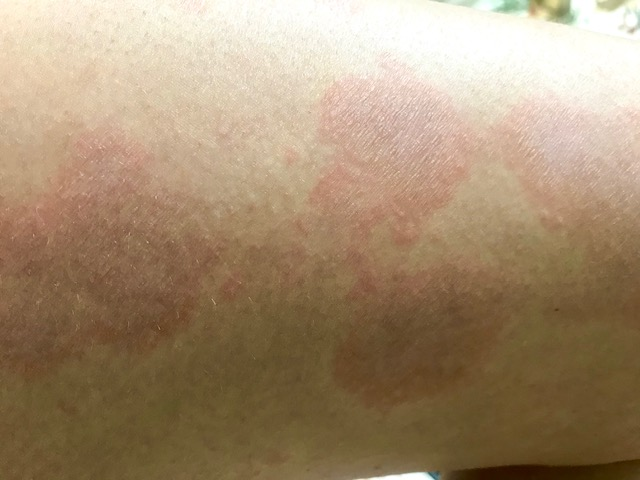
Take Back Your Skin (Part 1): Know Your Enemy
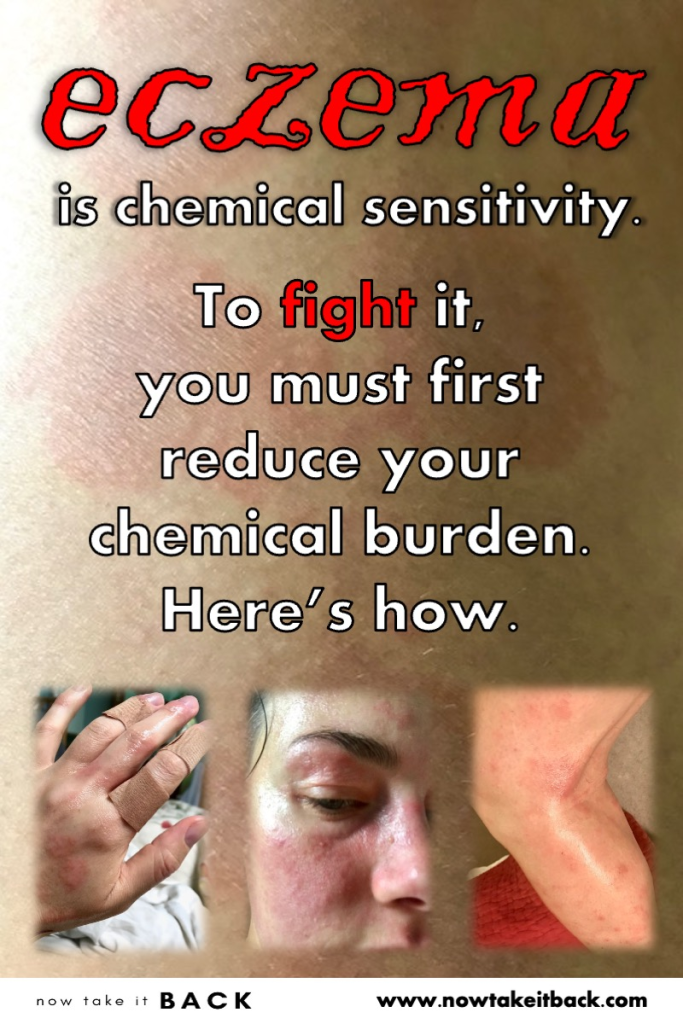
If I could write this post in four words, they would be the following: eczema is chemical sensitivity. I’ll repeat that in bigger lettering to emphasize how important it is:
ECZEMA IS CHEMICAL SENSITIVITY.
What do those four words mean? The short version is that people with eczema have inflammatory immune responses to both artificial (manmade) and natural (naturally occurring) chemicals. The long version is spelled out below.
Now Take it Back is reader-supported. When you purchase through links on my site, I may earn an affiliate commission at no additional cost to you. All opinions are my own. See my full affiliate disclosure for more information.
what is eczema?
According to the National Eczema Association, eczema is an inflammatory skin disease causing dry skin, itchy rashes, and blistering infection that impacts some 31 million Americans.
what eczema is not
- Eczema is not an infectious disease.
- Eczema is not an autoimmune disease.
types of eczema
- atopic dermatitis: most common/dry, inflamed, itchy skin
- contact dermatitis: allergic reaction to environmental trigger
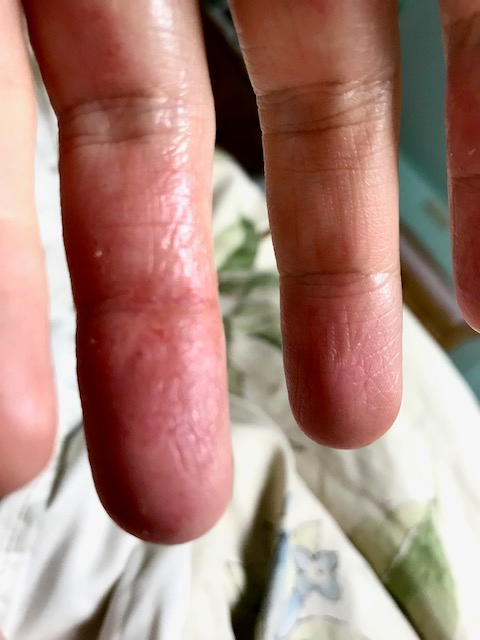
- dyshidrotic eczema: small, itchy blisters on hands or feet
- neurodermatitis: localized irritation in one/two itchy, leathery patches
- nummular eczema: coin-shaped patches of red, oozy, itchy skin
- seborrheic dermatitis: red, greasy skin covered with white/yellow scales
- stasis dermatitis: swelling and itchy skin in legs caused by poor circulation
Atopic dermatitis and “eczema” are typically used interchangeably, as this is the most common form of eczema. Throughout my life, I have variously suffered from atopic dermatitis, contact dermatitis, dyshidrotic eczema, and seborrheic dermatitis.
causes of eczema
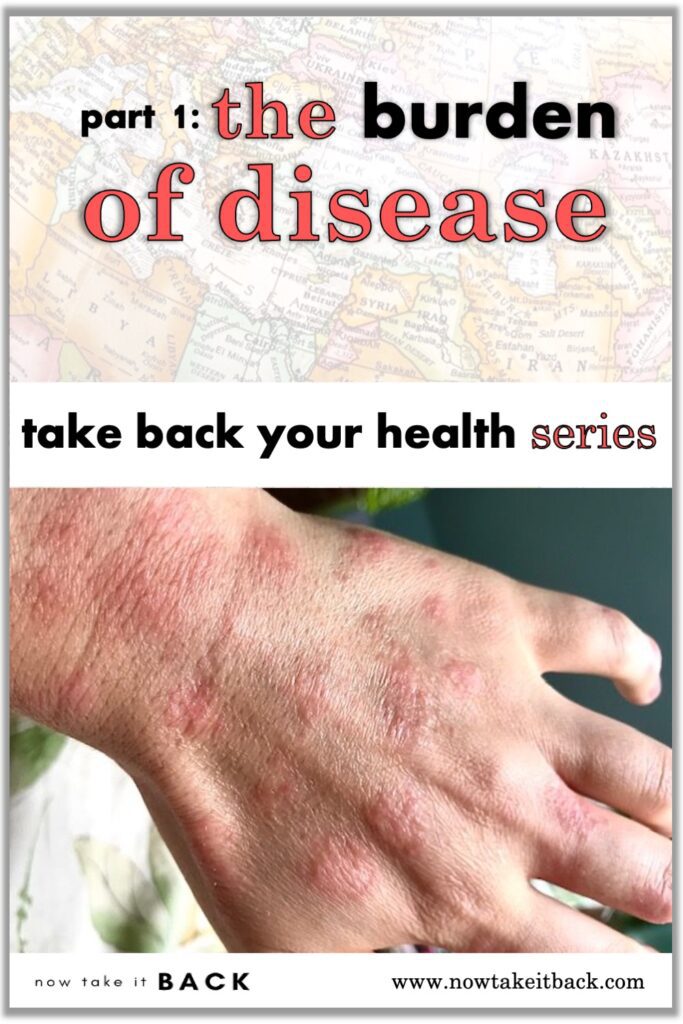
Eczema is understood to be a “multi-factorial” and “complex chronic” inflammatory skin disease. In other words, there are many things that cause/exacerbate eczema, and this is part of why eczema is so hard to fight.
I review the major causes of eczema in the following order: genetic predisposition, immune dysregulation, skin barrier dysfunction, gut dysbiosis, environmental triggers and emotional triggers.
genetic predisposition
I generally dislike the explanation that a particular disorder or disease is caused by “genetics” mostly because the growing field of epigenetics is telling us that genes can be influenced by environmental conditions. I say this only to note that genetics are just the beginning of the story.
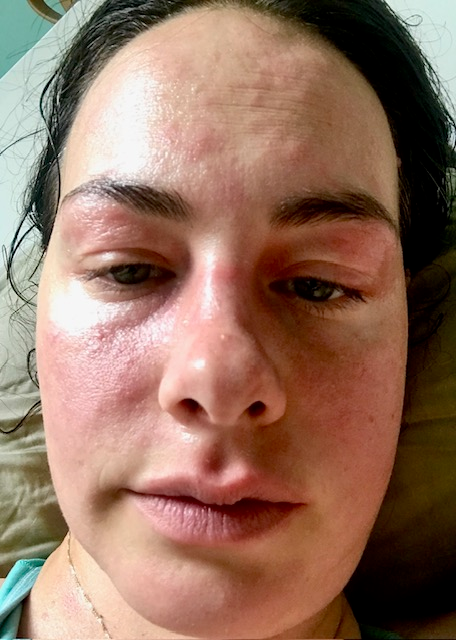
I am the only one of my 5 siblings that suffered from severe eczema. One other sibling has had a history of dry skin, but nothing more. An argument can be made that I was genetically predisposed to eczema in ways that my siblings simply were not.
Strong evidence exists in the literature to support a genetic predisposition to eczema. The risk of childhood eczema is two to three times higher in children with a maternal or paternal history… Recent research has highlighted the importance of the skin barrier and genes related to barrier dysfunction in the pathogenesis of skin disorders.
Neither of my parents had eczema, but my grandfather suffered from psoriasis. Still, it remains difficult to understand what researchers mean when they say that a certain individual has a “genetic predisposition” to eczema. In short, they mean three major things:
- immune dysregulation
- skin barrier dysfunction
- gut dysbiosis
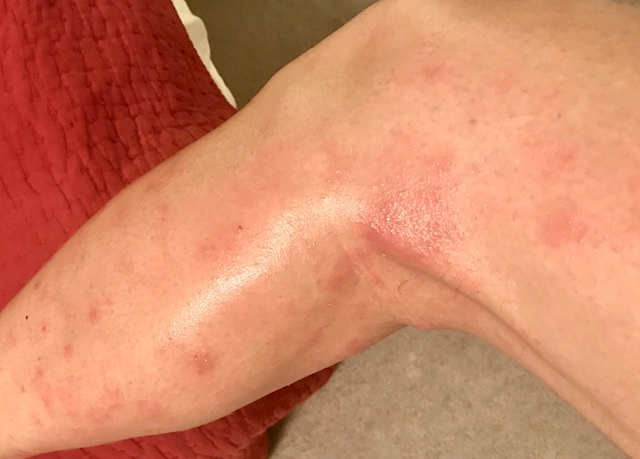
immune dysregulation
Eczema is not an autoimmune disease, meaning that it does not cause the body to attack its own tissues. Rather, eczema is understood to be an immune-mediated disease, meaning that it causes the body to mount an overactive response to a potential threat (i.e. allergen or microbe). Eczema triggers both the adaptive and innate branches of the immune system, resulting in a vicious cycle of inflammation.
The resulting adaptive immune response, which includes activation of various inflammatory cytokines, can further drive barrier disruption and reduce innate immune responses. After this large systemic immune response, it is difficult for the immune system to go back to normal again because the “threat” is always there, so a cycle of inflammation is generated throughout the body, not just in the skin.
The body’s immune system is incredibly complex, and the skin plays a major role in protecting the body from disease. It is difficult to gauge whether an overactive immune response first causes the skin barrier to break down or skin barrier dysfunction causes the overactive immune response.
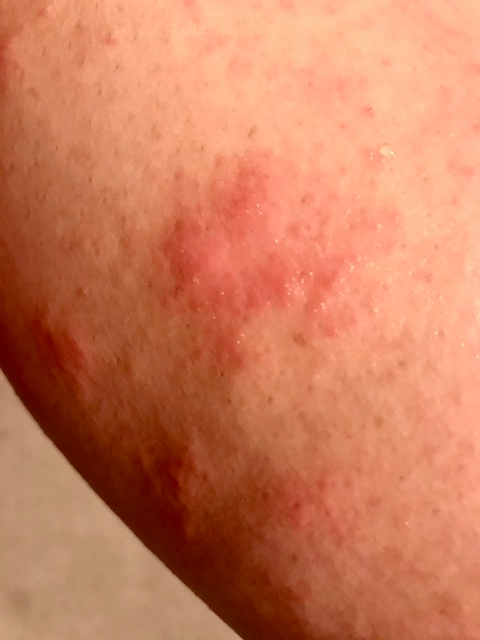
skin barrier dysfunction
The skin is the largest organ in the human body. It plays many critical roles, including protection from the environment and temperature/hydration regulation. Normal, healthy skin is composed of proteins and lipids (fats) that prevent allergen and microbial invasion into the body.
The epidermis contains epithelial cells, immune cells, and microbes which provides a physical and functional barrier to the protection of human skin. Skin barrier dysfunction is the initial step in the development of atopic dermatitis… Multiple factors, including immune dysregulation, filaggrin mutations, deficiency of antimicrobial peptides, and skin dysbiosis contribute to skin barrier defects.
An individual with moderate to severe eczema is lacking certain cells and bacteria that the skin needs to do its job. The skin barrier breaks down, becomes inflamed by allergens and microbes and is unable to regulate temperature and hydration.
gut dysbiosis
Both the gut and the skin depend on an immense diversity of microorganisms to function. When these organisms are out of balance or there is a predominance of one type of microbe over others, both the gut and the skin become susceptible to disease. The interplay between digestion, immunity and skin has become known as the gut-skin axis.
Increased intestinal permeability (i.e., a leaky gut) is more likely to be found in patients with gut dysbiosis. It has been shown to encourage toxin production and allow microorganisms and toxins to enter into circulation, ultimately impacting the skin.
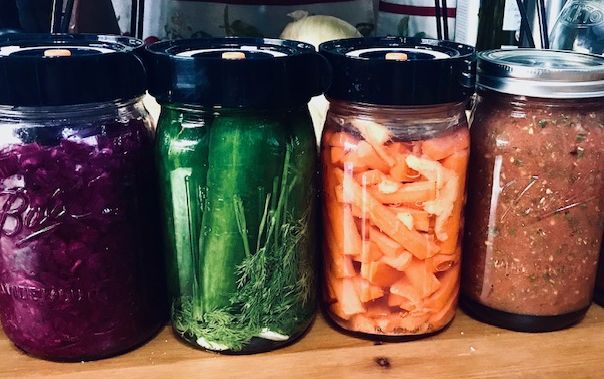
As a child, I was told that I was not allowed to eat strawberries because I was allergic to them. As a college student, I believed that my eczema was caused by a “thin” stomach lining that leaked food toxins into my bloodstream and then onto my skin. It is difficult to describe the connection between eczema and gut dysbiosis, but it seems clear that people with eczema struggle to digest food without an allergic/inflammatory response.

environmental triggers
Eczema is also caused by environmental triggers such as extreme weather, direct contact with metals and a multitude of artificial and naturally-occurring chemicals. These environmental triggers can also be termed “allergens.”
weather
Extreme cold or extreme heat can both trigger and exacerbate eczema. Sweat and humidity can both irritate the skin, especially if it is already broken. Since sweat is a primary form of detoxification for the body, it is critical to wash off the sweat as soon as possible to prevent skin irritation.
my experience
Historically, I have hated winter because my eczema has always been at its worst in the cold weather. I have personally found summer, salt water (ocean or bays), and sunlight to both heal and dry up my eczema. However, I have also experienced summer heat that has caused my eczema to flare up.
metals
Direct exposure to a wide variety of metals, including copper and gold, can cause the skin to become inflamed and irritated.
my experience
I have personally experienced contact dermatitis many times from wearing cheap jewelry, especially in my pierced ears, which then become swollen from the contact with the metal.
artificial chemicals
Artificial chemicals include anything with a fragrance: body care products, household cleaning products, scented candles and perfumes/colognes.
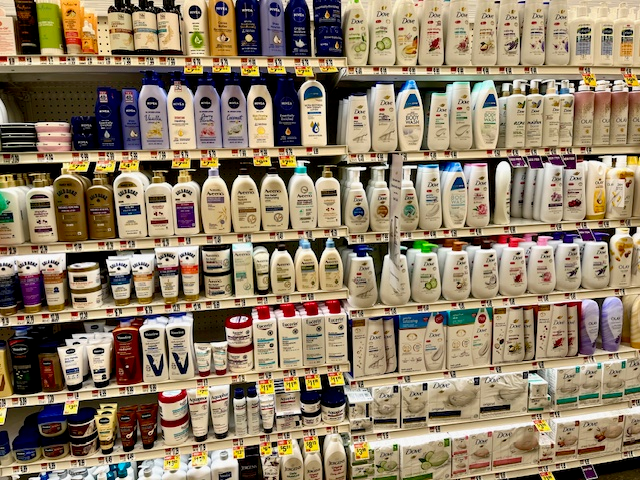
Artificial chemicals are also rampant in processed food and include food dyes, preservatives, artificial sweeteners, flavor enhancers, emulsifiers, stabilizers, and thickeners. Essentially, the more processed a food item is, the more artificial chemicals it is likely to contain.
Unprocessed food (like fresh produce, meat, and eggs) can also be contaminated with heavy pesticides, hormone disruptors, and carcinogens.
my experience
In my opinion, this is the number one culprit of irritants/allergens that can trigger eczema–mostly because these chemicals are so ubiquitous. It is also the easiest category to eliminate from your life.
As I mentioned at the beginning of this post, eczema is chemical sensitivity. People with eczema cannot process and excrete chemicals quickly or efficiently. This results in an inflammatory immune response that rapidly gets out of control with itching, scratching, and secondary infection.
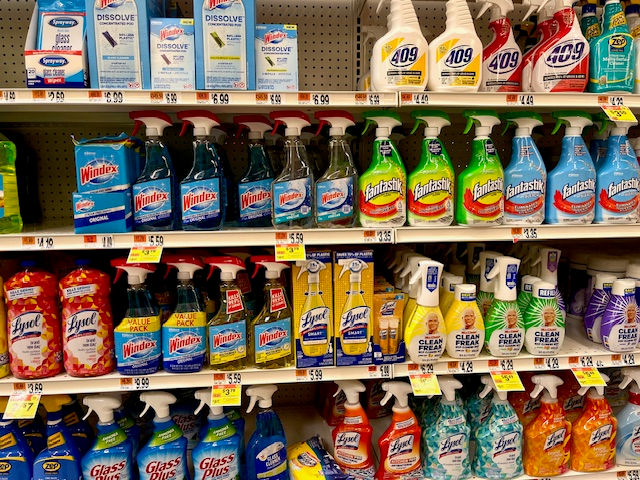
As someone who suffered from eczema for 35 years, I cannot walk down the cleaning aisle of a commercial grocery store without coming out with a headache on the other end. I experience similar sensitivity when I sit near someone at church who is wearing heavy cologne or perfume.
natural chemicals
Many plants produce natural chemicals as a form of self-defense against pathogens and environmental stress. One such chemical is salicylic acid and is found in brightly colored fruits and vegetables, including healthy foods like blueberries, avocados and mushrooms.

Another natural chemical is amines, which is found in food that is fermented, breaking down, or processed. Foods high in amines include cheese, chocolate, alcohol and cured or smoked meats.
A third category of naturally occurring chemicals is glutamates. Glutamates are amino acids and crucial neurotransmitters found in protein-rich foods, such as meat, fish and dairy, as well as soy products, mushrooms and tomatoes. Glutamates trigger pleasure-receptors in the brain, leading to the manufacture of the additive monosodium glutamate, which is used ubiquitously in the restaurant industry and has been linked to multiple diseases and disorders.
my experience
Natural food chemicals can (and maybe should) be avoided by those with hyper-sensitivity to chemicals or those experiencing chronic and severe eczema breakouts. However, natural food chemicals exist in many health-promoting and disease-fighting foods, so, in my opinion, the goal should be to eliminate artificial chemicals so as to promote the body’s ability to absorb and process natural food chemicals.
There have been times in my life when I have been unable to enjoy foods high in natural food chemicals, such as fermented foods, alcohol, coffee, and chocolate, but now, I can enjoy all of these foods in limited and occasional qualities. It is a question of how many chemicals your body can take in and process without overloading your system.
emotional triggers
Emotional triggers are perhaps the hardest cause of eczema to fight, mostly because our emotional states largely depend on the behaviors of those with whom we interact. We can only control our own actions, not the actions of others, and therefore emotional stress is a potent, chronic and insidious enemy.
stress
Stress always compounds and lengthens the duration of an eczema breakout, and can, in some cases, even cause the breakout.
Distinguishing the worsening effect of psychological stress from effects of physiological triggers, such as infection, climate and allergic factors, was claimed to be difficult by many patients. Most of the patients thought that chronic stress affected the (atopic dermatitis) AD more when compared to acute stress. Family problems, financial problems, work overload, school exam periods, lack of structure at work, and unforeseen events were identified as important psychological triggers.
Acute or chronic stress causes the body to release cortisol, which then dampens immune, gut, and skin barrier function, altogether creating a perfect storm for a lengthy and complicated breakout.
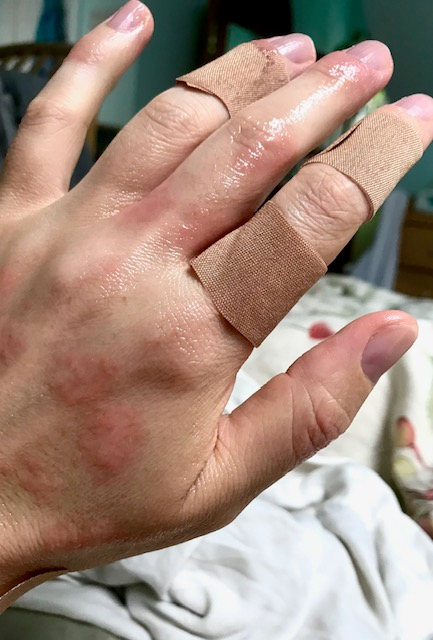
secondary infection
I include secondary infection as an emotional trigger because, in my experience, I engaged in excessive or destructive scratching most often during periods of high emotional stress. For me, eczema worsened with emotional stress, and my resentment at having to manage a breakout in addition to the stress was so high that I repeatedly took out my anger on my skin. Almost every time, this resulted in secondary infection.
When the immune system and gut and skin barriers break down, the body is more susceptible to infection. Broken skin is particularly vulnerable to secondary bacterial and fungal infection. As mentioned above, the skin plays an essential role in protecting the body from pathogens. When the skin is covered in micro-wounds, pathogens easily enter the body and further disrupt skin function. This is why a critical part of managing eczema is fighting bacterial and fungal infection.

abusive relationships
I write this with full awareness of the extreme emotional sensitivity and implications of this category. Abuse, whether physical, emotional, sexual or financial is rampant in human relationships. It is a major contributor to the pathology of atopic disease, including eczema.
I was in an abusive relationship for nearly all of my adult life. The chronic abuse was a constant emotional trigger for my eczema. It was not until I married my husband three years ago and (for virtually the first time in my life) lived under a sense of safety and security–that my eczema finally disappeared.
I believe that it is practically impossible to gauge from the inside whether you are in an abusive relationship. However, it almost always includes a sense of secrecy and not wanting to share certain aspects of your life with others–particularly through a desire to “protect” the abuser. In my experience, if there is an abusive relationship in the life of someone who suffers from eczema, most treatments and therapies (conventional or natural) will be only mildly or partially effective until that relationship is healed or ended.
my worst triggers
As I reflect on 36 years of suffering from eczema, I remember the following times when my breakouts were most severe.
worst trigger 1 cause: artificial chemicals
When I was 8 or 9 years old, I slept with pillows and blankets on a vacation condo carpet that had just been cleaned. The cleaning chemicals caused a severe breakout on my face. My eyes were so swollen that I could barely open them for the entire week’s duration of the vacation.
worst trigger 2 cause: artificial chemicals
When I was 21 years old, I was an undergraduate senior at a college located in an agricultural district of Maryland. As freshman, we had been informed that the pesticide content of the water was so high that we should drink bottled water whenever possible. After 4 years of drinking and bathing in the pesticide-rich water supply, my eczema had spread to nearly every part of my body and was particularly severe on my eyes, my back, my ankles and my hands.

worst trigger 3 cause: abusive relationship
When I was 30, I became pregnant with my first daughter, and the pregnancy hormones temporarily dampened my eczema symptoms. However, after the birth of my first daughter, my marriage began to disintegrate, and I experienced chronic and severe dyshidrotic eczema on my hands, complicated by nearly constant secondary infection. Among my daughter’s first toys were the sterile bandage wrappers from box after box of bandages.
worst trigger 4 cause: abusive relationship
At 32 years of age, I went through a divorce. During this process, my eczema was chronic and rampant. Secondary infection was a constant and included needing to go on multiple rounds of antibiotics to control a MRSA infection on the skin of my lower leg.
Because my most severe eczema was caused by artificial chemicals and an abusive relationship, I feel that these two causes are the most necessary to address when seeking to heal eczema.
Unfortunately, abusive relationships are the hardest cause of eczema to heal or eliminate. To read more about my personal story, as well as the intimate relationship between eczema and mental health, explore part 2 of this series, entitled, “Take Back Your Skin (Part 2): Tell Your Story.” You can find it here.
Human relationships, whether healthy or unhealthy, are both complicated and mysterious. Thankfully, however, the first step in fighting back against eczema is really, really simple: just eliminate environmental triggers and artificial chemicals from your life!
how to start fighting eczema
As stated above, if I could write this article in 4 words, those 4 words would be: eczema is chemical sensitivity. It logically follows that the first line of defense against eczema is to lessen the body’s chemical burden. The easiest way to do this, which can be done TODAY by ANYBODY is to eliminate artificial chemicals from skin care products and household cleaning products.
skin care products
There are many products out there marketed for people with “sensitive” skin or skin disorders like eczema. None of them worked for me. I have used many “dermatologist-recommended” brands for many years without finding any significant relief. In my thirties, I began making my own skin care products out of sheer desperation.
In my opinion, you only need 3 skin care products: soap, body butter, and lip balm.
soap
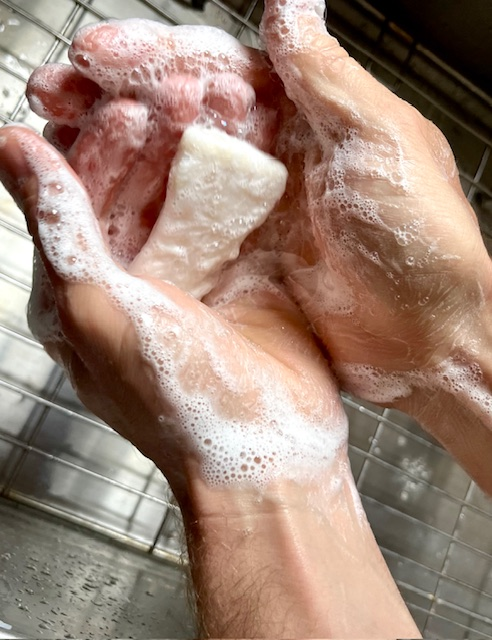
There are so many types of commercial soap: body wash, shampoo, conditioner, face wash, etc. Each of these types are filled with artificial chemicals. Soap can be simple, and the more simple the better for people with eczema.
make your own
This is my first recommendation because you can directly control the ingredients. However, the process can be intimidating and time-consuming if you’ve never done it before. Here are two simple recipes:
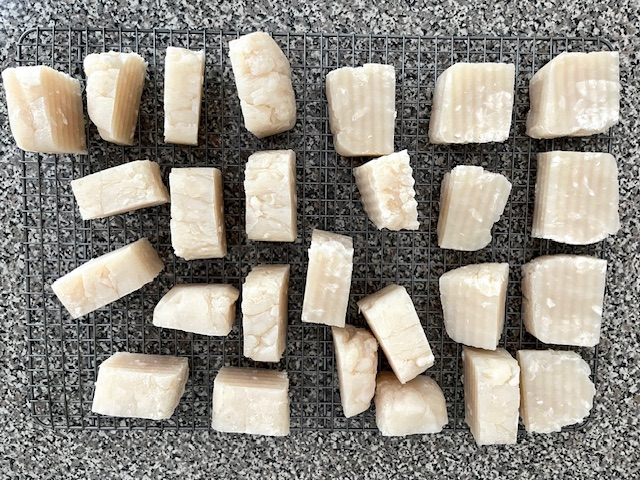
- coconut oil soap: coconut oil, lye, water
- tallow soap: beef tallow, lye, water
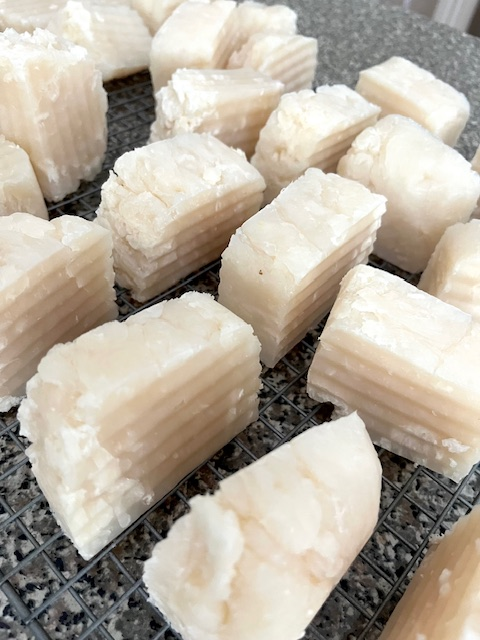
The coconut oil soap recipe by Mommypotamus is my favorite. This soap produces a beautiful lather that feels moisturizing and soothing without any sliminess. For me, making this soap is well worth the stress of using lye because it is the best soap I have ever used on my skin. Additionally, it’s much more economical to make than buying a constant supply of high-quality soap for a household with four very grungy little people 🙂
sourcing
For many of us who are short on time and energy, there are very gentle commercial options available for purchase. Here are two I have personally used:
Soap can be used as body wash, face wash and shampoo. Hair conditioning can be managed with castor oil and apple cider vinegar. Essentially, the more simple you can make your cleansing process, the better. Similarly, the fewer ingredients, the better.
body butter
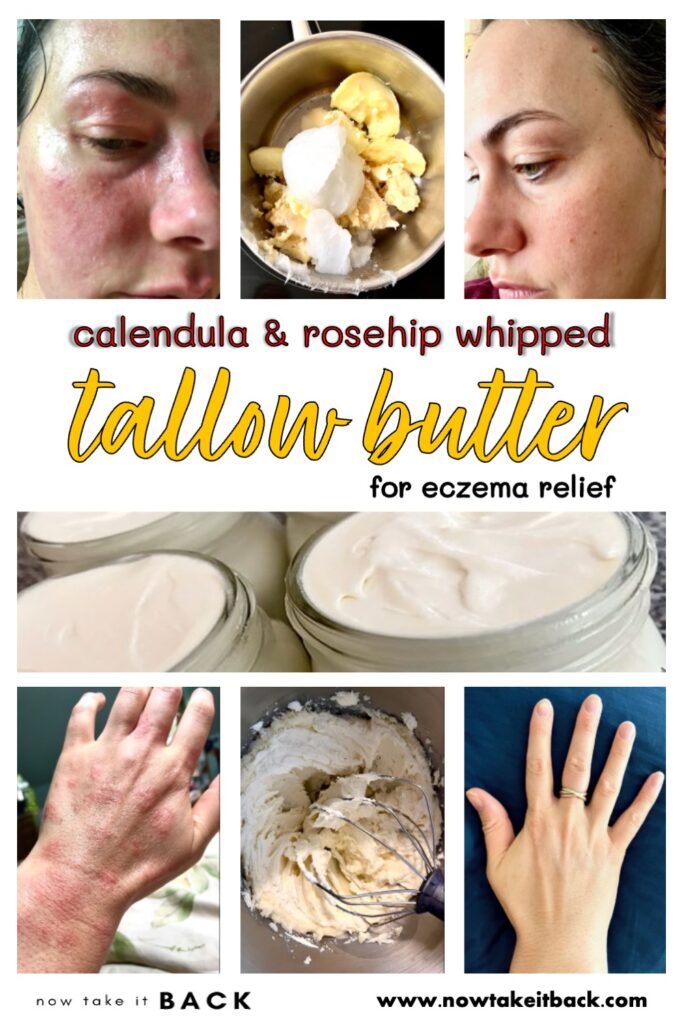
I feel as though I have tried every commercially available product under the sun to try to heal and soothe my eczema. None of them made a noticeable difference until I started to make my own tallow balm. Now, it is the only skincare product that my family of 6 uses. It can be used to heal and calm any skin irritation from eczema to diaper rash to sunburn.

It is so effective at healing, moisturizing, soothing and regenerating the skin that it is the one skin care product I never compromise on making. I simply make it in bulk every 3-4 months and store it in the freezer so that we never run out.
make your own
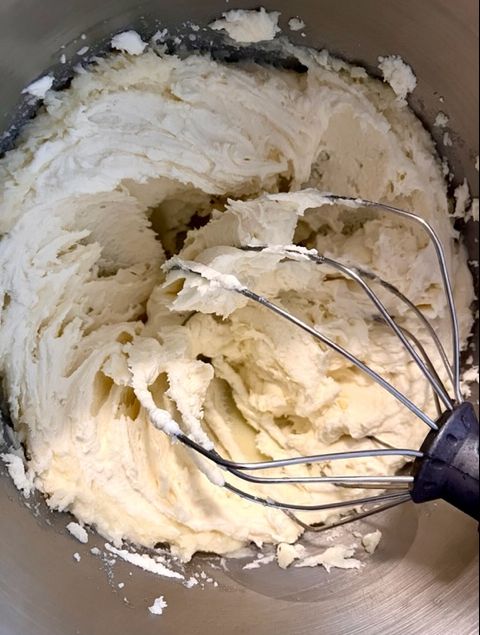
You can find my recipe for “Calendula and Rosehip Whipped Tallow Body Butter” here.
sourcing
I don’t recommend sourcing other types of body butter, although there are companies now making and selling tallow balm. In my opinion, these products are very expensive and not as effective as making your own. Tallow balm is the one skin care ingredient that I never compromise on.
lip balm
I’ve tried many times to use both pure coconut oil and my tallow balm on my lips and been dissatisfied with the results every time. For over 30 years, my lips and the skin above my lips has been inflamed with eczema, and I’ve had broken and irritated skin on my lips for most of my life.
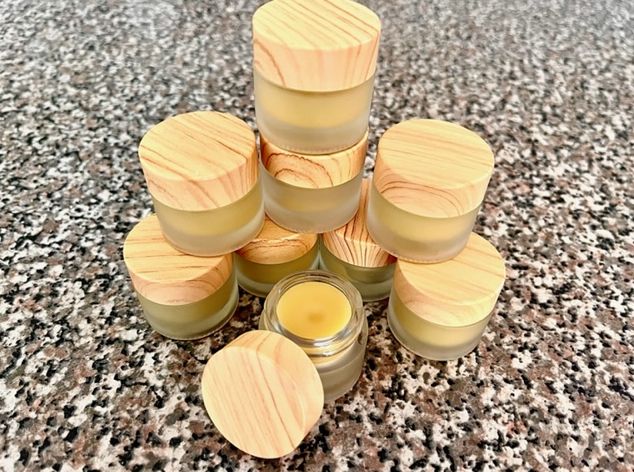
Lip balm needs to soothe, hydrate and protect the lips. Above everything else, it needs to seal moisture into the lips. Pure coconut oil and tallow balm can soothe and hydrate, but it doesn’t seal the lips. For this, you need beeswax.
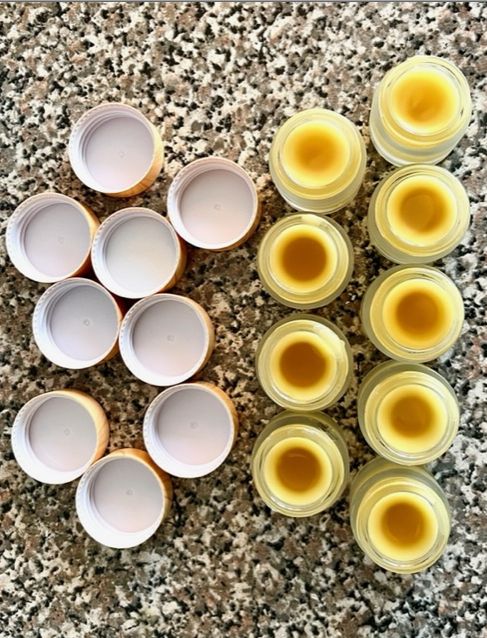
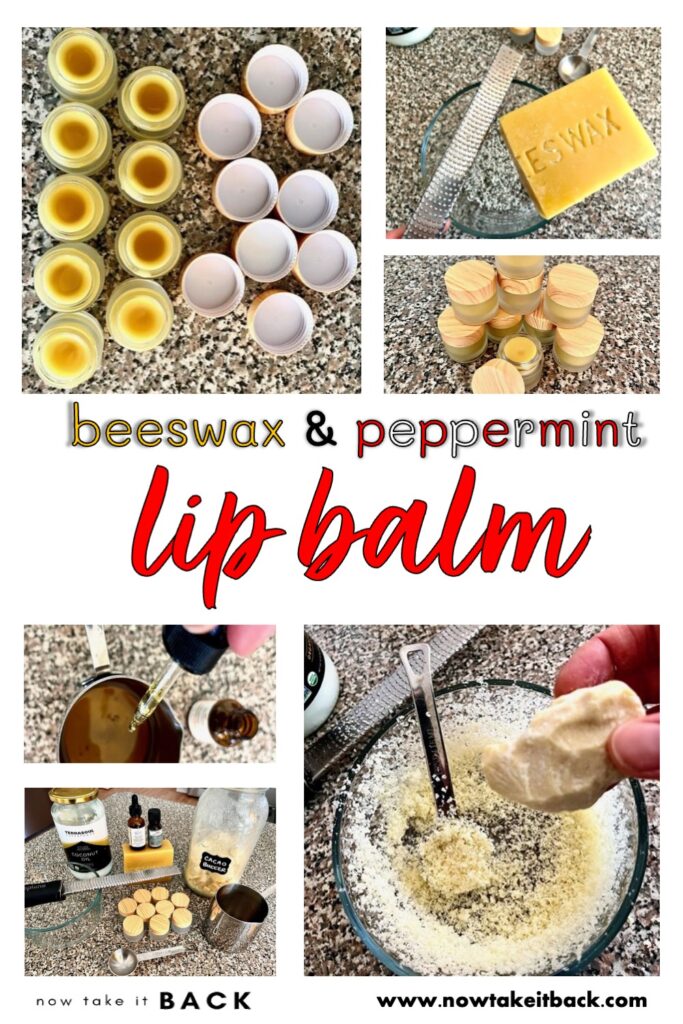
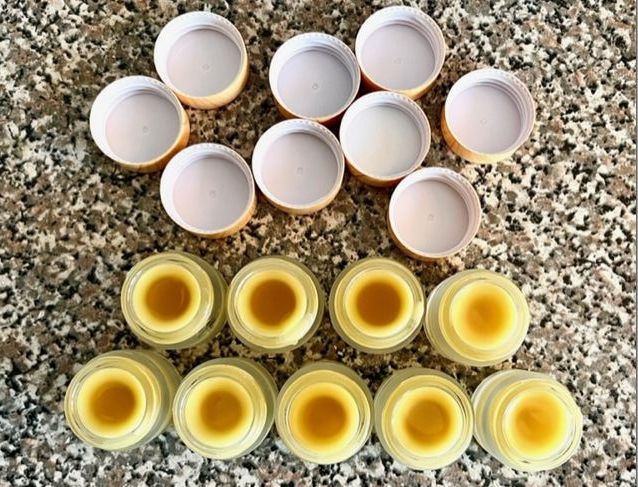
I developed my own lip balm recipe five years ago, and I make my own lip balm 98% of the time. I make it in bulk and store the spare jars at room temperature. We use it to heal and protect split, chapped and dry lips in our kids.
make your own
You can find my recipe for “Beeswax and Peppermint Lip Balm” here.
sourcing
If I am very short on time or find myself in an emergency situation, I will occasionally use Burt’s Bees Peppermint lip balm until I have time to make my own recipe.
simplify skin care
Skin care is a critical and unavoidable part of managing and fighting eczema. As an organ, your skin absorbs (or “eats”) everything that you put on it. If you’re putting artificial chemicals on your skin (“dermatologist-recommended” or not), then you are increasing your body’s chemical load.
The key with skin care is to reduce what you’re using and simplify everywhere you can.
The fewer the ingredients, the better!
If secondary infection is involved, over-the-counter antibacterial and anti-fungal creams may be necessary. However, for everyday management of eczema, all you really need is soap, body butter and lip balm.
household cleaning products
There are countless household cleaning products available for sale, and most of them contain harsh artificial chemicals and fragrances. Just having these things in the house can impact air quality and cause allergic reactions in those sensitive to chemicals. As with skin care, simplifying is key, and all you really need are a few staple cleaning products.
sterilization
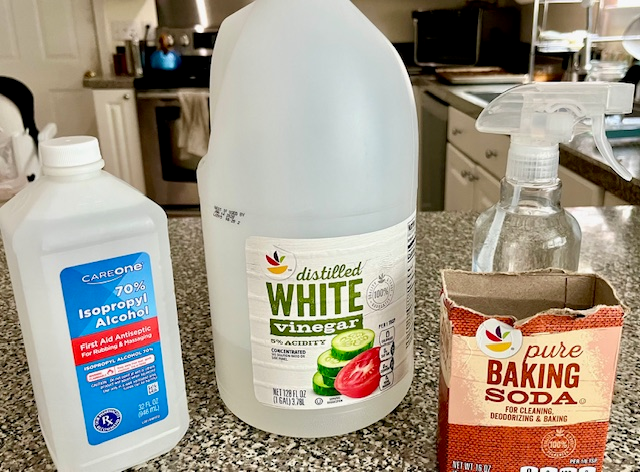
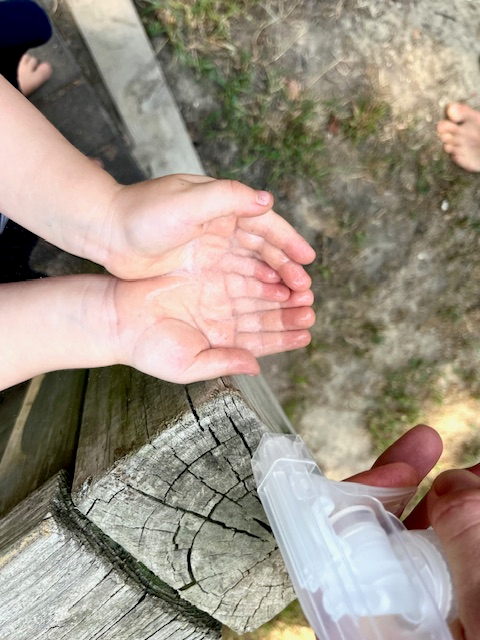
For bathroom and kitchen cleaning, sterilization is non-negotiable. For more than 5 years, I have used a 50/50 mix of rubbing alcohol and water as a sterilizing spray. Our family has a rubbing alcohol spray bottle in the kitchen, all bathrooms, and each car. We use it for all big cleaning jobs and use it to quickly clean the kids’ hands when we are out and about without access to soap and water.
applications
This spray cleans toilet seats, countertops, mirrors, glass doors, doorknobs, light switches, plastic or vinyl surfaces and dirty hands. It can also be used to spot-clean laminate or tile flooring.
sourcing
You can buy rubbing alcohol from Amazon, but it is cheapest at your local grocery store, or you can buy it in bulk at Costco. Depending on your needs/comfort level, you can purchase 90% or 70% potency.
Amazon also has many types of reusable spray bottles for sale; these bottles are a lightweight and easy option to keep in multiple rooms/cars. Simply fill the bottle halfway with your rubbing alcohol of choice and fill the rest with water.
abrasion
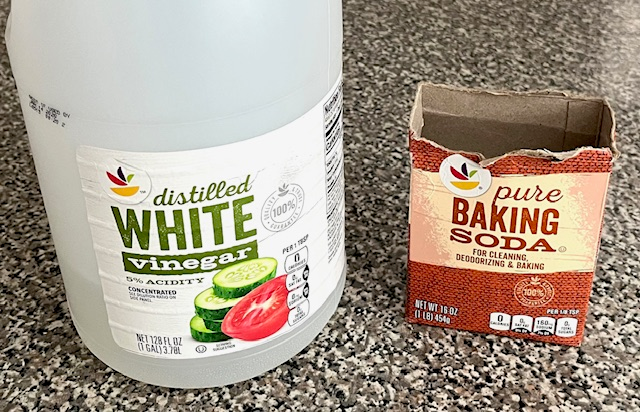
Toilets, tubs and shower stalls often need an abrasive substance for cleaning. Simple baking soda does an excellent job with all of these tasks. I throw a handful of baking soda in the toilet prior to scrubbing the interior of the bowl with a toilet brush. Similarly, I coat the mildew/mold spots of a shower or tub with baking soda and use a scrub brush prior to rinsing everything with hot water.
applications
Baking soda can be used to clean sinks, toilet bowls, shower stalls and bath tubs. White vinegar alone can be used to clean and deodorize both dishwashers and washing machines.
sourcing
Again, this product is sold on Amazon, but it often much less expensive when purchased at a local grocery store or in bulk at Costco.
dishes
The soaps that you use to wash your dishes are more important than you might think because trace amounts of this soap are drying on your dishes unless you or your dishwasher do a very thorough extra rinse with hot water. Consequently, someone with eczema is eating off of plates and drinking out of cups that have small quantities of artificial chemicals and fragrances remaining after washing.
It’s easy to feel paranoid about everything you’re exposed to when you have eczema–and then, during a bad breakout, to feel your paranoia is intensely justified. I decided over a decade ago that it was better to wash my dishes and clothes/bedding with simple, unscented soaps to play it safe. Looking back, I can now understand that I was trying to reduce my chemical exposure wherever I possibly could.
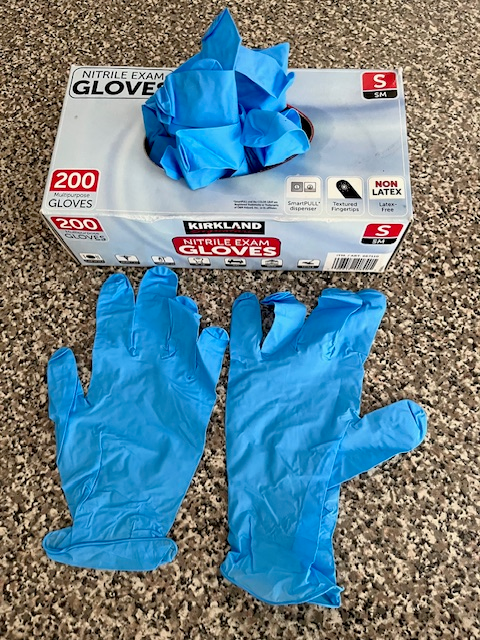
My hand eczema has healed to the point where I no longer need to wear nitrile gloves to complete every task. However, to this day, I still use gloves when working with raw meat, changing a particularly bad diaper or doing the dishes. The skin on my hands is perpetually dry and cracks easily. Having these gloves on hand for kitchen tasks–especially doing the dishes–provides both comfort and peace of mind.
applications
For people with eczema, simple, unscented dish soap and dish detergent are the best options to wash every item that is used for food or drink. If it is going to be placed in or near the mouth of someone with eczema, it is best to have the least ingredients and chemicals possible.
White vinegar does an excellent job of removing mold/mildew from the dishwasher, reducing odor and acting as a rinse aid. If you can afford the extra cost of water, it is also helpful to run the dishwasher on an extra rinse cycle.
sourcing
Dish soap and dish detergent are easily sourced online. Here are two options I have personally used:
- dish soap: Seventh Generation Free & Clear Liquid Dish Soap
- dishwasher detergent: Seventh Generation Free & Clear Dishwasher Detergent Packs

laundry
Changing your laundry detergent to something “gentle” and “unscented” is often one of the first dermatologist recommendations after an eczema diagnosis, particularly for infants and young children. Wearing clothing that has been washed in fragrances or artificial chemicals can complicate eczema (atopic dermatitis) with contact dermatitis. This has happened to me many times during sleepovers or vacations when well-intentioned family or friends try to wash my clothes for me. Immediately, my eczema would worsen because of their detergent.
Similarly, it is essential to wash your bed sheets with a simple, unscented detergent since they are typically in direct contact with your skin for at least 8 hours per day and will off-gas any detergent fragrance into the air you are breathing while sleeping. Your body is in a vulnerable state while asleep and is busy trying to heal itself. Protecting your body from further chemical stress during sleep is a critical part of fighting eczema.
applications
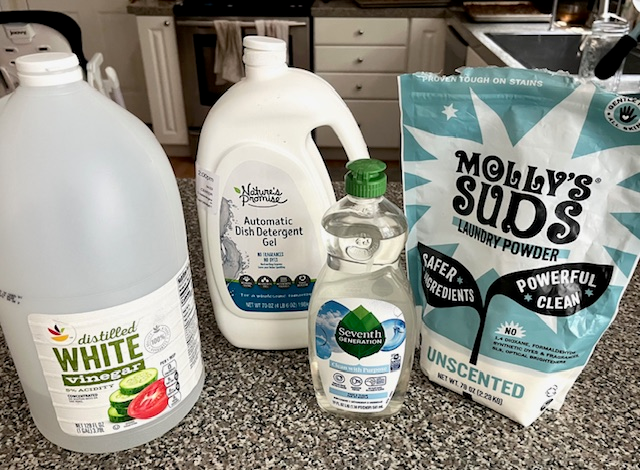
Everything that can be washed in a washing machine should be washed in unscented, simple detergent. This includes bed linens and blankets, bath and dish towels and all clothing.
White vinegar does an excellent job of removing mold/mildew from the washing machine and reducing laundry odor. If you can afford the extra cost of water, it is also helpful to run the washing machine on an extra rinse cycle.
sourcing
The best detergents for eczema are unscented, powdered, and simple. I was making my own laundry detergent for several years before the births of my youngest daughters. Fortunately, there are many excellent options available online. Here are two I have personally used:
simplify household cleaning
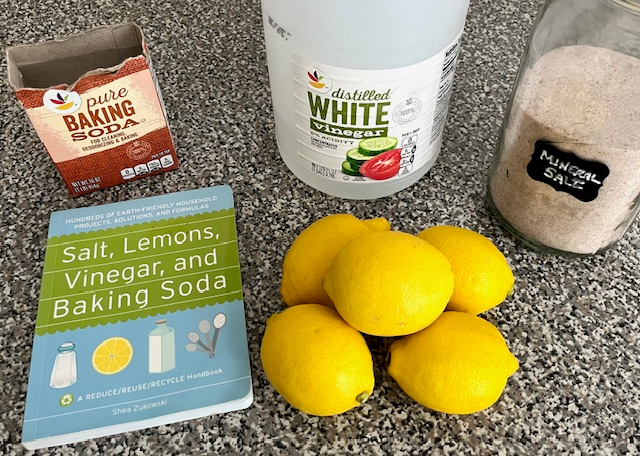
Oftentimes, it requires a mindset shift to realize that we don’t need to have as many products or items marketed to accomplish a specific task as the commercial industry would like us to believe. There is a very powerful book entitled Salt, Lemons, Vinegar and Baking Soda by Shea Zukowski that details hundreds of ways to use these four, simple ingredients to accomplish basic household tasks.
The key with household cleaning is to reduce what you’re using and simplify everywhere you can.
The fewer the ingredients, the better!
The closer you can come to less complex, natural living, the better for your eczema.


reduce chemical exposure
For those of us who have eczema, managing symptoms is often all we feel that we have the time or energy for. We tend to theorize that once a breakout is under control, we can shift our focus to a more long-term solution. I have felt this way more often than I can number. And yet, this is part of the self-defeating cycle of eczema; we manage symptoms until a breakout abates, then we try to enjoy living our lives until the next breakout hits.
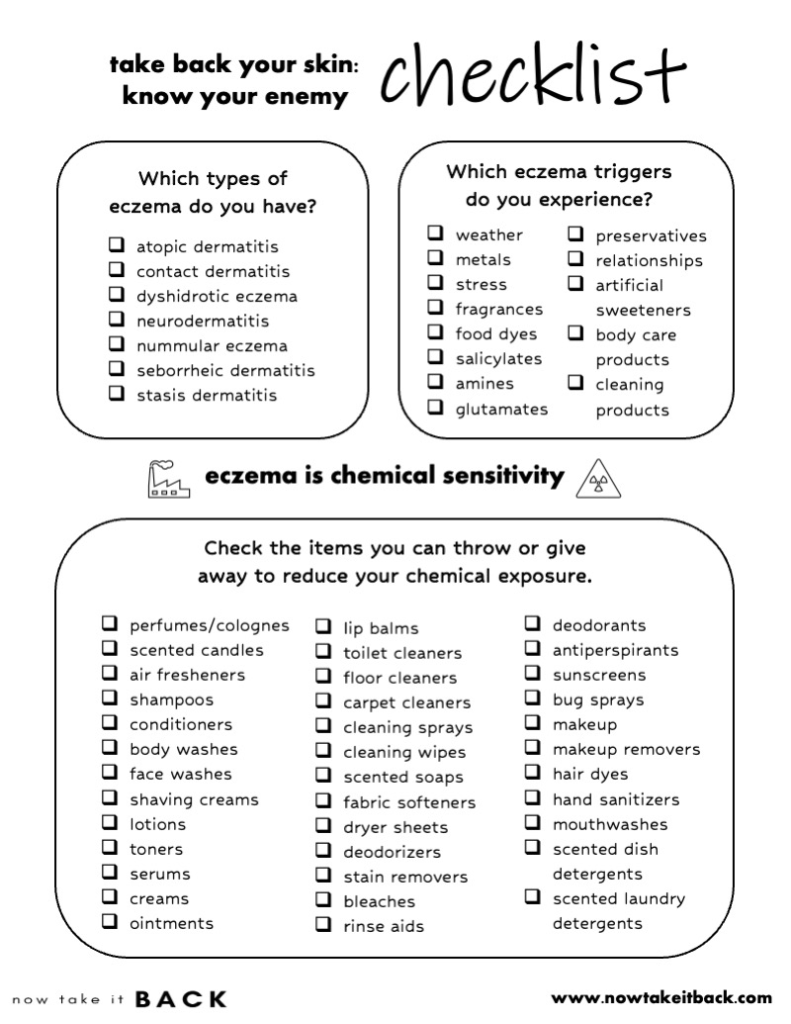
For those who are as desperate as I was to break the breakout cycle, reducing chemical exposure is the first step towards a long-term solution. It’s also the easiest step, as it only requires us to throw away products that are amplifying the problem and make or purchase products that can ease the body’s chemical burden.
To help with this process, I’ve created a printable checklist that you can download for free. Simply click on the image or link below to download the pdf file:
is it possible to heal eczema?
This is the big question, isn’t it? If you google it, your answer will be that eczema cannot be cured. I agree with this; I am not “cured.” I will always have the biochemical predispositions that lead to severe eczema when my body is out of balance.
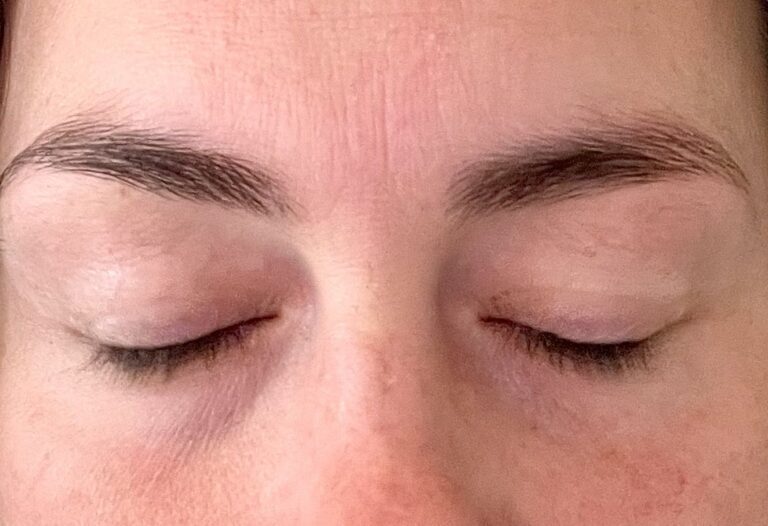
HOWEVER, I can also say that I suffered from eczema for 35 years, and for the past 4 years, the only breakouts I have had have been localized to three fingers on my right hand. They occur during periods of high stress and sugar intake and poor quality sleep. Five years ago, I was crippled by severe, infected, weeping, and bleeding eczema devastating every inch of my body. Today, my skin is clear, intact and resilient.
Most importantly, managing my eczema no longer eats away hours of my time or physical and emotional energy. It is largely a symptom of my past.
So can eczema be healed? No, never fully. But is there hope?
YES–ABSOLUTELY.
It takes a lot of work. It takes giving some things up forever. It takes changing a lot more things. It can be a steep learning curve. But there’s a way forward. And I want to share it with you.
“This is a good sword, Haleth son of Hama… There is always hope.” – Aragorn, The Two Towers
(That was a little gift for my fellow nerds obsessed with the LOTR movies :))

take back your skin
“Take Back Your Skin (Part 2): Tell Your Story” details my 35-year-long war with eczema and explores the reasons why you cannot ignore the intimate relationship between eczema and mental health. You can read Part 2 here:
This blog is about taking back control over your body and your life. I’m currently working on an ebook entitled Take Back Your Skin that details the exact steps I took to gain control over my eczema.
For updates on when this ebook will be released, please subscribe below!
Meanwhile, feel free to browse around for real-food recipes, self-care inspiration and some blunt honesty about preserving your mental health while parenting. There’s also some great freebies to take advantage of — check them out below!
take my free 5-day challenge
& instantly access:
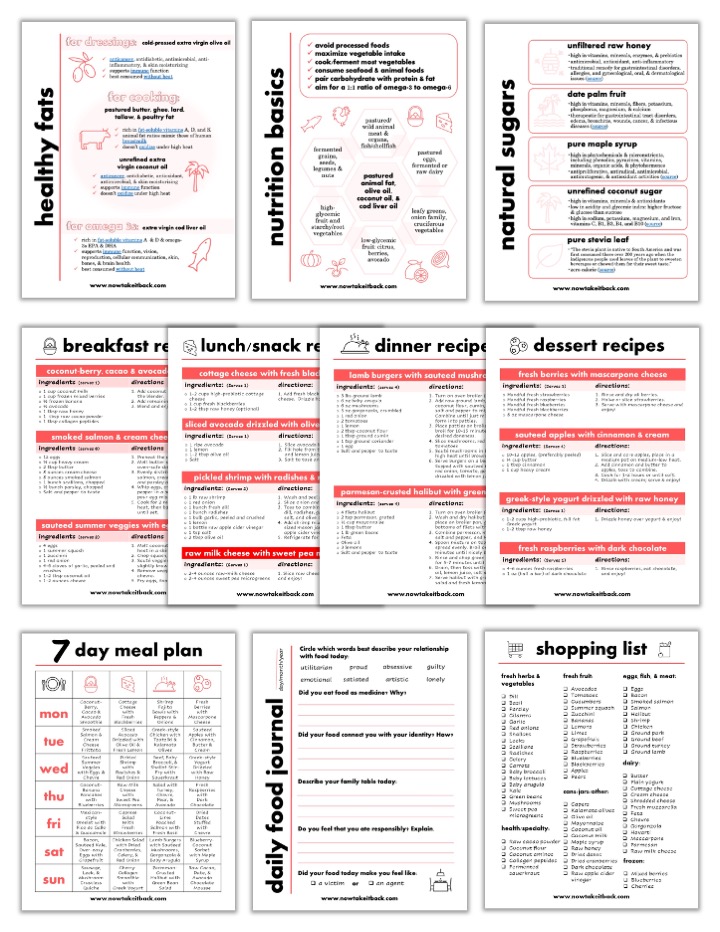
Well done! Thoroughly researched and immensely practical.